
Nadia Odlum: From Studio Practice to Sydney Festival 2026 Branding
April 15, 2026
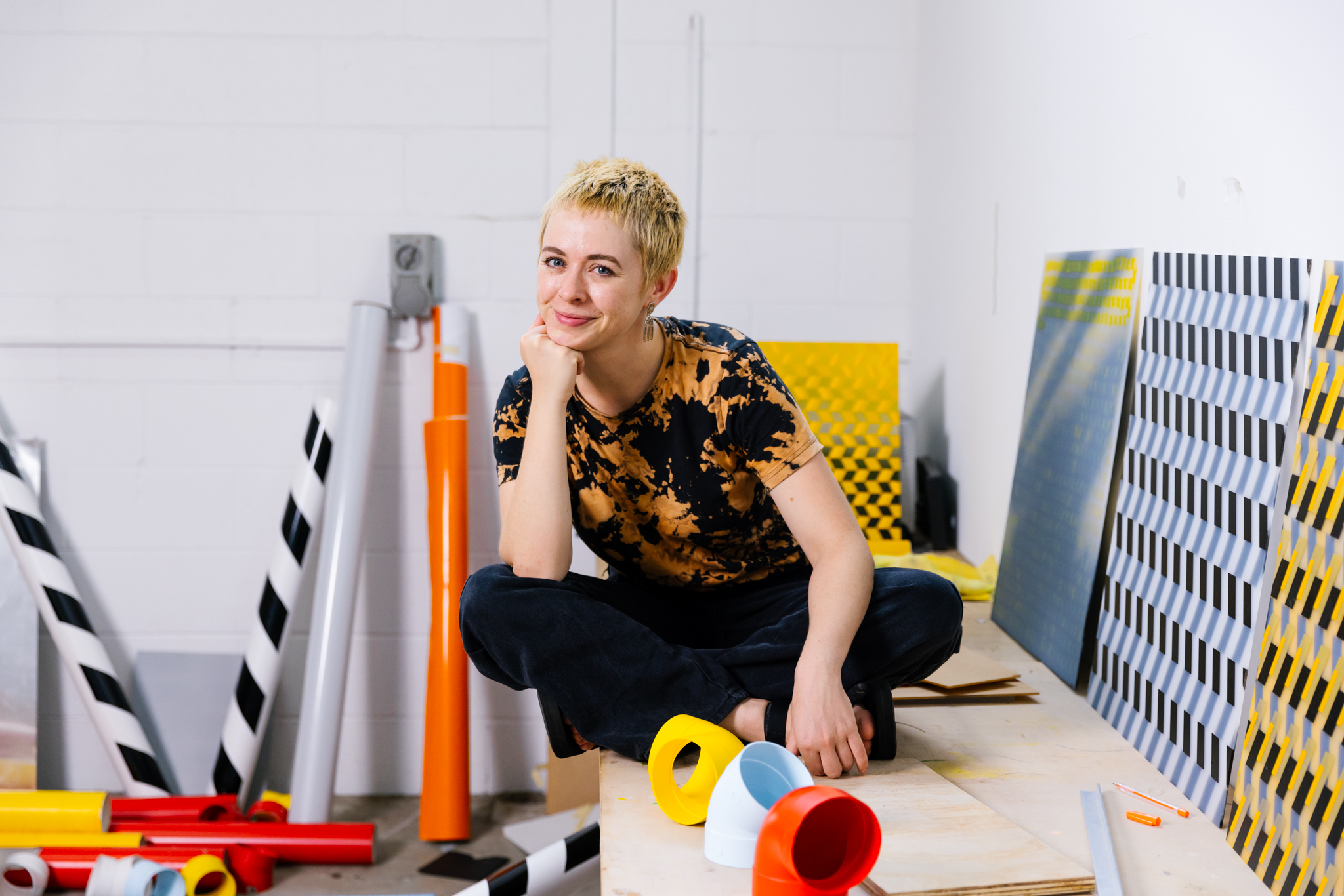
Photo by Jacquie Manning
Nadia Odlum’s practice begins with a simple but expansive premise: that cities are not just built environments, but living, shifting systems shaped by movement, experience and human connection.
Working across painting, installation, sculpture and socially engaged projects, Odlum uses abstraction to explore how urban spaces are felt as much as they are seen. Their work draws on patterns, symbols and layered compositions that echo the complexity of city life, where order and chaos coexist and meaning emerges over time.
At the core of their practice is an attention to embodied experience, focusing on how it feels to move through a city and notice its rhythms, textures and tensions. This perspective allows their work to operate both personally and collectively, opening up space to consider how different people experience the same environments in different ways.
Themes: movement, systems and play
Odlum’s work consistently returns to a set of interconnected themes.
Their interest in urban systems looks at how the structures of cities shape the lives lived within them, from infrastructure and design to the social dynamics they produce. This interest runs through both their individual works and their larger collaborative projects.
Alongside this is a focus on movement and dynamism. Their visual language, often featuring twisting, folding lines and layered forms, evokes motion through space and reflects the constant flux of urban life.
More recently, Odlum has been exploring play as a critical element of the urban experience. In their work, play is not only about joy and connection, but also about resistance, offering a way to challenge norms and reimagine how public space can function. They are particularly interested in how opportunities for play in cities have diminished over time, and how art can help restore them.
Their practice is also shaped by their experience within Sydney’s queer community, where ideas of subculture, shared space and collective meaning inform their approach. This influence is visible in the work’s playfulness, its openness, and its investment in equity and inclusion within urban life.
A practice grounded in experimentation
Odlum’s creative process is exploratory and iterative. Works often emerge through material experimentation, including layering, masking, spraying and drawing, with unexpected results becoming part of the final composition.
Their studio operates as a site of overlap, where multiple works develop simultaneously and influence each other. This approach reinforces their broader view of art not as a fixed outcome, but as an ongoing way of thinking and responding to the world.
From studio to city: Sydney Festival 2026
This connection between artwork and the lived experience of the city is central to Odlum’s recent collaboration with Copyright Agency.
In 2026, Copyright Agency facilitated a licence for their work to be used in branding for Sydney Festival, a context that extends their practice directly into the public sphere.
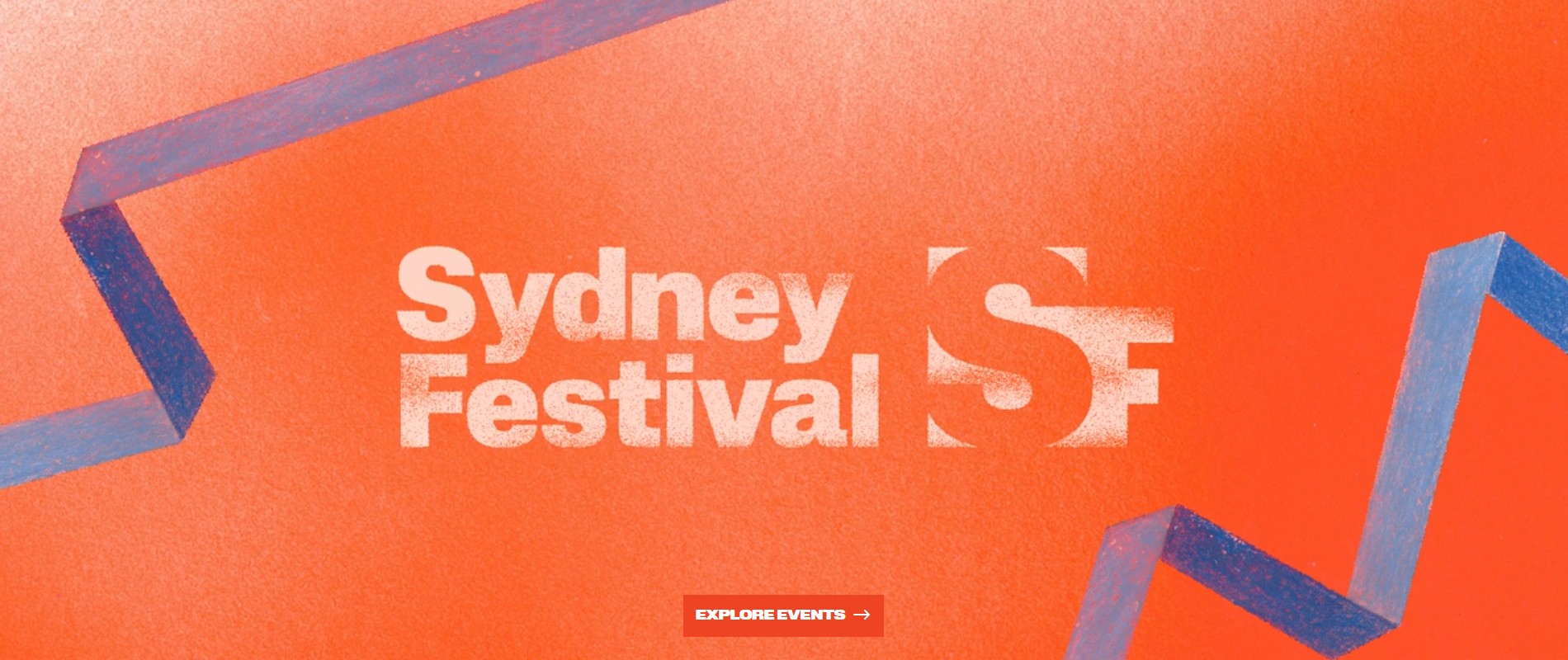
Screenshot of Sydney Festival’s website featuring Nadia Odlum’s Cumulative Choreography
The licensed works reflect many of the key elements of their visual language, including bold, high-contrast colour palettes influenced by activist poster traditions, layered compositions, and a recurring motif of a twisting, folding line that suggests movement through space.
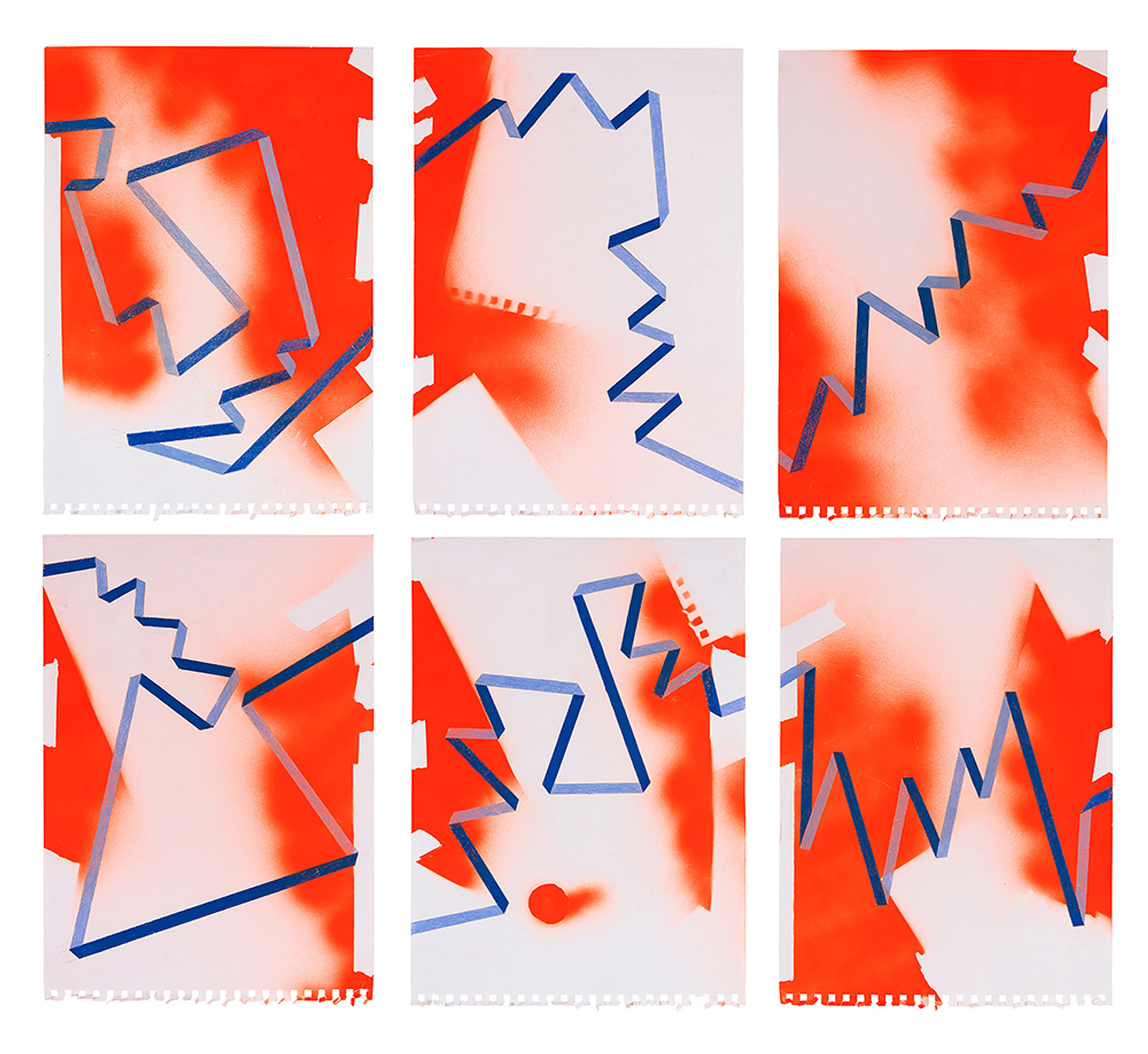
Cumulative Choreography © Nadia Odlum, 2023.
Originally developed through an experimental studio process, including spray-paint techniques and incidental mark-making, these works translate seamlessly into a large-scale cultural context.
Through this collaboration, Odlum’s practice moves beyond the gallery into the everyday experience of the city, aligning closely with their interest in creating shared, public encounters with art.
Creating space for connection
Across all aspects of their work, Odlum is driven by a desire to create environments that bring people together.
Whether through intricate abstract works or large-scale public projects, their art invites audiences to slow down, notice more, and engage with the complexity of the spaces they inhabit. Over time, these works reveal layers, much like the cities that inspire them.
Ultimately, their practice reflects a deep investment in urban life. It is not just about observing cities but actively contributing to how they might be experienced differently, with more curiosity, more connection, and more room for play.